


Mobility Connect 2026:
Autonomous Futures of the Last Mile
4. August 2026
Automation is reaching the last mile of our mobility systems. Our interdisciplinary panel explores what this means for cities, work, and society.
Automation is moving closer to where we live, work, and shop. What began with pilot projects on highways and city centers is now reaching the last mile, the final stretch that connects people and goods to their actual destination. This shift raises pressing questions about sustainability, urban design, and who benefits when machines take over the final leg of the journey.
Join us as our interdisciplinary panel brings together perspectives from robotics, sociology, communication, law, ethics, geography, and business to explore how automated last-mile mobility will transform our cities and what kind of urban futures we are building as a result.
Guiding question: How will automation reshape the last mile of moving people and goods, and what kind of futures will emerge as a result?
Technology, Sustainability, and Urban Transformation
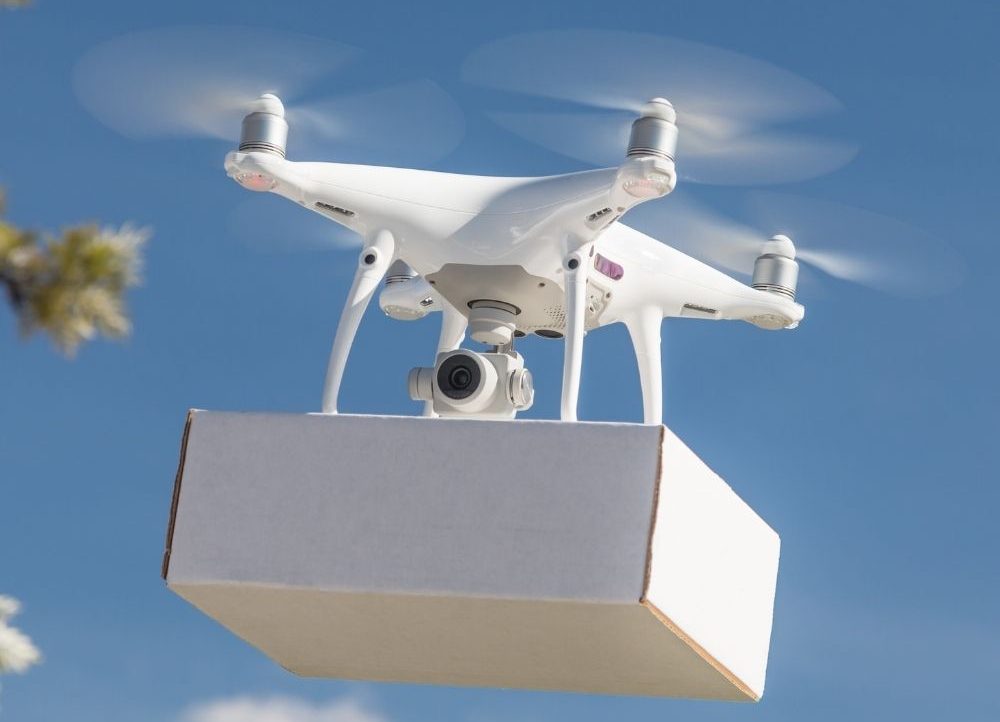
Autonomous systems are no longer confined to research labs; they are being deployed in real-world settings, from legged robots to aerial delivery drones. What does this technical progress mean for the sustainability of our transport systems, and how do these developments reshape the cities around us? What kind of urban infrastructure and planning will be needed to accommodate automated last-mile solutions?
Work, Responsibility, and Society
As automation takes over tasks once performed by humans, it also redistributes work, control, and responsibility across humans, algorithms, and organizations. How does automated last-mile mobility change the nature of labor in logistics and transport? Who gains oversight, and who loses it, when algorithms increasingly manage the final stretch of a journey?
Communication, Trust, and Public Perception
How the last mile of automation is communicated shapes how the public understands its risks and benefits. How are autonomous delivery robots and shuttles represented in media and public discourse? What narratives foster trust, and which ones fuel skepticism, toward automation moving through our neighborhoods?
Law, Ethics, and Governance
Automated systems navigating shared urban space raise new legal and ethical questions, from liability and fairness in algorithmic decision-making to the governance of autonomous systems in everyday deployment. How can legal and ethical frameworks keep pace with rapid technological change while safeguarding citizens’ rights?
Panel speakers
- Sebastian Köhler
Logistics & Operations Management, KIT
PhD student working on the project Country to City Bridge, focusing on how autonomous, electric ride-pooling shuttles can connect rural areas to existing public transit hubs and reduce dependency on private cars - Gemma Newlands
Digital Sociology, UZH
Assistant professor in the Sociology of Societal Digitalization, focusing on the transformation of work in the age of artificial intelligence, particularly human-AI hybridity in the workplace, including topics like algorithmic bias, digital labor platforms, and workplace surveillance. - Josephine Roper
Urban Analytics / Geography, UZH
Postdoctoral researcher at the Urban Analytics Lab, working on theories of access to opportunity and how urban transport systems serve everyday needs; develops accessibility indices (e.g. THERE, perceived walkability) to help cities densify sustainably while keeping them liveable. - John Anderson Garcia Henao
AI/ML for Musculoskeletal Health, Balgrist University Hospital
Senior AI/ML Scientist developing trustworthy digital twins of the musculoskeletal system to support personalized surgical planning and rehabilitation, connecting high-performance sport, everyday mobility, and clinical recovery. - TBA
- TBA
- TBA
Agenda
- Welcome & Opening Remarks (10 min)
- Lightning Inputs from Invited Speakers (~5 min each)
- Group Discussions with Panelists at Tables (30 min)
- Panel Reflection & Q&A (20 min)
- Followed by drinks and a Mobility Pub-Quiz
Date
Wednesday, 18 November 2026, 16:00-19:30
Location
SOC-E-010, DSI Event Room, UZH Center, Rämistrasse 69, Zurich